You Won’t Believe How Fast This Anti-Aging Shift Changed My Life
Aging isn’t just about wrinkles—it’s about energy, mobility, and how good you feel every day. I used to think aging meant slowing down, until I made small, science-backed changes that delivered noticeable results in weeks. This isn’t about miracle cures or extreme diets. It’s about practical, doable habits that boost your vitality and upgrade your quality of life—fast. Here’s what actually worked for me.
The Wake-Up Call: When I Realized Aging Wasn’t Just "Normal"
For years, I told myself that fatigue, stiffness, and occasional memory lapses were just part of getting older. In my early 40s, I found myself reaching for coffee by mid-morning, struggling to get up from the floor without using my hands, and forgetting why I walked into a room. I accepted these as inevitable—after all, everyone I knew was experiencing something similar. But deep down, I wondered: was this really as good as it gets?
That question became louder when I attended my sister’s 50th birthday. She hiked up a small trail in the park, laughing and dancing at the party, while I sat on the sidelines, too tired to join. I wasn’t sick, but I didn’t feel truly alive. That moment was my wake-up call. I realized that aging doesn’t have to mean decline. Instead of resigning myself to a slower, less vibrant version of myself, I decided to explore what science says about healthy aging. What I discovered changed everything.
The biggest shift wasn’t physical—it was mental. I had been operating under the assumption that aging is a passive process, something that just happens to you. But research shows that aging is influenced by daily choices. The quality of your later years isn’t predetermined; it’s shaped by how you live today. The goal isn’t just to live longer, but to live better—with energy, independence, and joy well into your 50s, 60s, and beyond. This new mindset became the foundation for everything that followed.
What Anti-Aging Really Means (Spoiler: It’s Not About Looking Younger)
When most people hear “anti-aging,” they think of creams, serums, or cosmetic procedures aimed at reducing visible signs of aging. But true anti-aging goes far beyond appearance. It’s about preserving your body’s function, delaying the onset of chronic diseases, and maintaining the ability to do the things you love—whether that’s playing with grandchildren, traveling, or simply moving without pain.
At the cellular level, aging involves processes like telomere shortening, chronic inflammation, and oxidative stress. Telomeres are protective caps at the ends of your chromosomes that shorten each time a cell divides. When they become too short, cells can no longer divide properly, leading to tissue decline. Inflammation, when persistent, contributes to conditions like heart disease, arthritis, and cognitive decline. Oxidative stress occurs when free radicals damage cells faster than your body can repair them. These are not abstract concepts—they’re measurable, and they respond to lifestyle.
The exciting part? These biological processes can be influenced by everyday habits. Studies have shown that diet, movement, sleep, and stress management can slow cellular aging. For example, a 2013 study published in *The Lancet Oncology* found that men with low-risk prostate cancer who adopted healthier lifestyles showed increased telomere length over five years, while the control group’s telomeres shortened. This means that at a fundamental level, your cells can age more slowly when you support them with the right conditions.
What this translates to in real life is feeling better now. You might not see dramatic changes in the mirror, but you’ll notice more energy, sharper focus, and greater resilience. Anti-aging isn’t about stopping time—it’s about making the time you have richer, healthier, and more fulfilling. And the best part? You don’t need to wait until you’re older to start. The earlier you begin, the more you preserve.
The 3 Fast-Acting Habits That Made the Biggest Difference
After researching the science of aging, I focused on making changes that were both effective and sustainable. I didn’t want extreme diets or hours-long workouts. Instead, I looked for small, high-impact habits that could fit into my busy life. Three stood out—not because they were flashy, but because they delivered real results in just a few weeks.
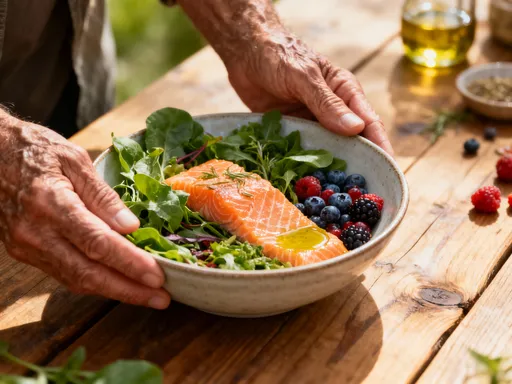
The first was prioritizing protein with every meal. As we age, our bodies become less efficient at building and maintaining muscle, a condition known as sarcopenia. Muscle isn’t just about strength—it’s crucial for metabolism, balance, and independence. Without enough protein, even regular exercise may not prevent muscle loss. I started adding a source of high-quality protein—like eggs, Greek yogurt, chicken, or lentils—to breakfast, lunch, and dinner. Within two weeks, I noticed I felt fuller longer, had more stamina, and recovered faster after physical activity. Research supports this: studies show that spreading protein intake evenly across meals is more effective for muscle maintenance than consuming most of it at dinner.
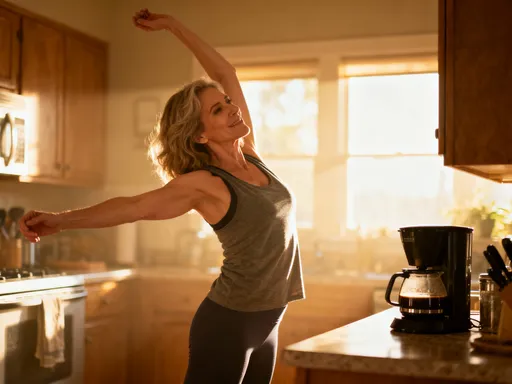
The second habit was daily movement snacking. I used to think I needed 30-minute workouts to see benefits, but life often got in the way. Then I learned about the power of short, frequent bursts of activity. Instead of one long session, I began taking three- to five-minute movement breaks every hour—standing up, stretching, walking around the house, or doing a few squats. These “movement snacks” add up. A study in *Medicine & Science in Sports & Exercise* found that breaking up sitting time with brief walks improved blood sugar control and energy levels. I started doing this while waiting for my coffee to brew or during phone calls. The result? Less stiffness, better circulation, and a surprising boost in mental clarity.
The third habit was sleep consistency. I’ve always valued sleep, but I didn’t realize how much the timing mattered. I used to go to bed anywhere between 9:30 and 11:30 PM, depending on my mood or schedule. Then I read about circadian rhythms—the body’s internal clock that regulates everything from hormone release to metabolism. Going to bed and waking up at roughly the same time each day strengthens this rhythm, leading to deeper, more restorative sleep. I committed to a 30-minute bedtime window—between 10:00 and 10:30 PM—and stuck to it, even on weekends. Within ten days, my energy improved dramatically. I no longer needed an afternoon nap, and my mood was more stable. Sleep isn’t just about quantity; consistency is a key factor in how refreshed you feel.
Why Small Changes Beat Big Overhauls (And Actually Stick)
Like many people, I’ve tried drastic changes in the past—eliminating carbs, doing intense workouts every day, or following strict detox plans. The problem? They didn’t last. Big overhauls often lead to burnout, frustration, and eventual rebound. The real secret to lasting change isn’t intensity—it’s sustainability. Small, manageable shifts are more likely to become habits because they don’t overwhelm your routine or willpower.
Behavioral science supports this. Research shows that habits are more likely to stick when they’re tied to existing routines—a technique called habit stacking. For example, I started doing calf raises while brushing my teeth and stretching while my coffee brewed. These micro-moments of movement required no extra time, yet over time, they made a noticeable difference in my flexibility and circulation. Another example: I began drinking a glass of water as soon as I woke up, right after turning off my alarm. This simple act improved my hydration and reduced mid-morning fatigue.
The key is to start so small that it feels almost too easy. James Clear, author of *Atomic Habits*, calls this the “two-minute rule”—if a new habit takes less than two minutes, you’re more likely to do it consistently. Once the behavior becomes automatic, you can gradually build on it. For instance, after I got used to standing up every hour, I added a short walk. After I mastered consistent bedtime, I introduced a five-minute evening breathing practice. These tiny shifts compound over time, leading to significant improvements without the stress of major lifestyle disruption.
Another reason small changes work is that they create a sense of accomplishment. Each time you follow through on a tiny promise to yourself—like eating a piece of fruit with breakfast or taking a five-minute walk—you reinforce your identity as someone who values health. This builds confidence and motivation, making it easier to adopt the next habit. Over time, these small wins add up to a new way of living—one that feels natural, not forced.
What I Stopped Doing That Was Secretly Speeding Up Aging
While adding new habits was important, removing certain behaviors had an even greater impact. I realized that some of my daily routines—things I didn’t think much about—were quietly accelerating aging processes in my body. The first was prolonged sitting. Even though I was active, I spent long stretches sitting at my desk, on the couch, or in the car. Research shows that sitting for more than eight hours a day increases the risk of heart disease, diabetes, and early death—even if you exercise regularly. The body is designed to move, and long periods of inactivity slow metabolism, stiffen joints, and impair circulation.
To combat this, I set a timer to stand up every 50 minutes. I also switched to a standing desk for part of the day and took phone calls while walking. These small adjustments reduced my total sitting time and made me more aware of my body’s need for movement. The result was less lower back discomfort and improved digestion. I also noticed that I felt more alert during the day, likely because movement increases blood flow to the brain.
The second change was reducing ultra-processed foods. I didn’t do this for weight loss, but because of their inflammatory effects. Foods like packaged snacks, sugary cereals, and processed meats contain additives, refined sugars, and unhealthy fats that trigger chronic inflammation. While occasional treats are fine, a diet high in these foods has been linked to faster biological aging. I didn’t eliminate them completely—I’m not perfect—but I made a rule to choose whole, recognizable foods most of the time. More vegetables, fruits, whole grains, nuts, and lean proteins. Within weeks, my digestion improved, and I had fewer energy crashes.
The third behavior I changed was how I managed stress. I used to unwind by scrolling through social media, often ending up in a loop of negative news or comparison. This “doomscrolling” kept my nervous system in a state of low-grade stress, raising cortisol levels and disrupting sleep. Instead, I began replacing those moments with breathing exercises, short walks in nature, or listening to calming music. Even five minutes of deep breathing can activate the parasympathetic nervous system, which helps the body relax and recover. Over time, I became more resilient to daily stressors and slept more soundly.
The Role of Mindset in Physical Aging (Yes, Your Thoughts Matter)
One of the most surprising discoveries was how much my mindset affected my physical health. I had always thought of aging as a biological process, but research shows that your beliefs about aging can directly influence your health outcomes. A famous study from Yale University followed hundreds of older adults for over two decades and found that those with more positive views of aging lived, on average, 7.5 years longer than those with negative views—even after adjusting for factors like income, health status, and depression.
How is this possible? Negative beliefs—like “I’m too old to learn new things” or “My body is falling apart”—can become self-fulfilling prophecies. They lead to reduced physical activity, social isolation, and lower motivation to care for your health. On the other hand, seeing aging as a time of growth, wisdom, and continued possibility encourages healthier behaviors and greater resilience. Your mindset shapes your actions, and your actions shape your biology.
I began practicing simple reframing techniques. Instead of thinking, “I’m stiff today,” I’d say, “My body is reminding me to move.” Instead of “I’m too tired to cook,” I’d shift to “I can prepare something simple and nourishing.” I also started focusing on what my body could do, not just what it couldn’t. I celebrated small victories—like carrying groceries up the stairs without stopping or playing actively with my kids. This shift didn’t erase challenges, but it changed how I responded to them.
Another powerful tool was gratitude. Each night, I’d reflect on three things my body allowed me to do that day—walking, hugging a loved one, enjoying a meal. This practice strengthened my connection to my body and reduced fear of aging. Over time, I felt more empowered, less fearful, and more present in my daily life. Your thoughts aren’t just in your head—they shape your physical reality.
Putting It All Together: A Realistic Anti-Aging Plan for Real Life
After months of experimenting, I created a simple, realistic plan that I could maintain long-term. The goal wasn’t perfection, but progress. I started by picking one habit—sleep consistency—and focused on that for three weeks. Once it felt natural, I added movement snacking. Then protein at every meal. Each step built on the last, creating a foundation of energy and vitality.
Tracking progress helped me stay motivated. I didn’t use complicated apps—just a simple notebook where I noted how I felt each week: energy levels, mood, physical comfort. Seeing improvements in writing reinforced my commitment. I also celebrated small wins, like going a full week without skipping my bedtime routine or choosing a home-cooked meal over takeout. These moments of recognition kept me engaged and positive.
Creating a supportive environment was also key. I adjusted my home to make healthy choices easier—placing a water bottle on my nightstand, keeping healthy snacks visible, and using soft lighting in the evening to support my circadian rhythm. I also shared my goals with my family, which created a sense of accountability. When my kids saw me stretching, they joined in. When my partner noticed my energy improving, he started making similar changes. Small shifts can ripple through your entire household.
This isn’t a short-term fix—it’s a lifestyle upgrade. I no longer see aging as something to fear, but as an opportunity to live more intentionally. The habits I’ve adopted aren’t about adding years to my life, but life to my years. They’ve improved my daily experience in ways I didn’t expect: better sleep, more joy, greater confidence in my body. And the best part? Anyone can start, no matter their age or current health.
Remember, it’s never too early or too late to make a change. You don’t need a diagnosis or a crisis to begin. Small, consistent actions today create a healthier, more vibrant tomorrow. Always consult a healthcare professional before making significant changes, especially if you have underlying conditions. But don’t wait for permission to feel better. Your body is designed to thrive—give it the support it needs, and you may be surprised at how quickly it responds.